
Helmet Laws in Texas and How They Can Impact Your Personal Injury Case
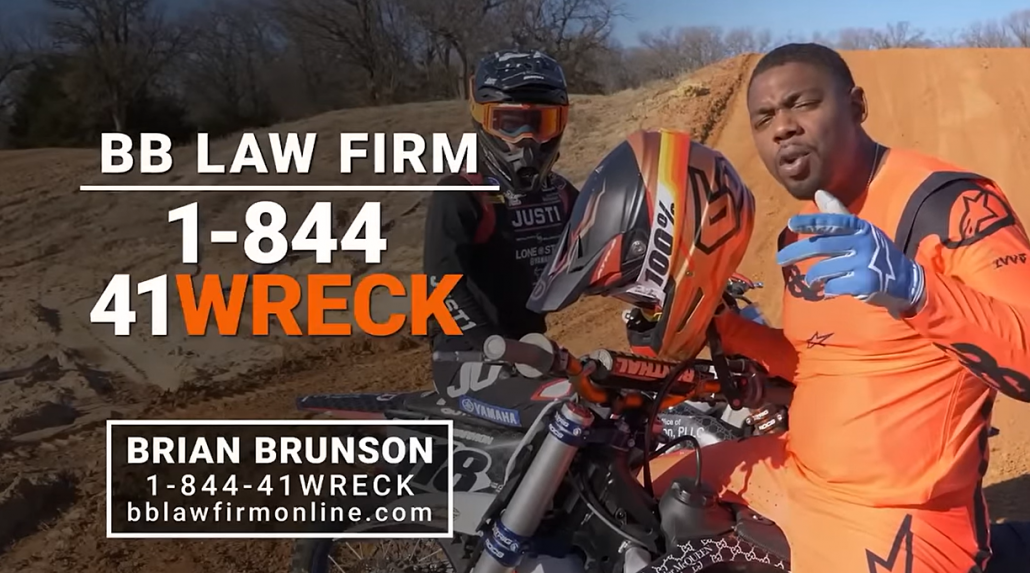
Motorcycle riders face a greater risk of serious injury in the event of an accident. One question you might have after a motorcycle crash is whether not wearing a helmet will affect an injury claim. Understanding Texas helmet laws and how they relate to personal injury cases can help injured riders protect their legal rights.
Texas Helmet Laws
Under Texas Transportation Code § 661.003, all motorcycle operators and passengers under the age of 21 are required to wear a helmet that meets federal safety standards. Riders who are 21 years of age or older may legally ride without a helmet if they have completed a state-approved motorcycle safety course or carry health insurance that provides coverage for injuries sustained in a motorcycle accident.
Although Texas law provides these exceptions, law enforcement officers generally may not stop a motorcyclist solely to determine whether the rider qualifies for a helmet exemption.
Can You Still Recover Compensation Without a Helmet?
Yes. Even if you were not wearing a helmet at the time of the crash, you may still be entitled to recover compensation if another driver’s negligence caused the accident.
Texas follows a modified comparative negligence system under Texas Civil Practice and Remedies Code § 33.001. This means an injured person may recover damages as long as they are not more than 50% responsible for the accident. However, the amount of compensation may be reduced by the person’s percentage of fault.
Importantly, failing to wear a helmet does not automatically make a motorcyclist responsible for causing the collision. Instead, it may only become relevant if the defendant argues that the lack of a helmet contributed to the severity of certain injuries.
The “Helmet Defense”
Insurance companies frequently attempt to minimize payouts by arguing that a rider’s injuries would have been less severe if a helmet had been worn. This argument is commonly referred to as the “helmet defense.”
Whether this defense succeeds depends on the specific injuries involved. For example, if a rider suffers a traumatic brain injury, the defendant may present expert testimony claiming a helmet would have reduced or prevented the injury. On the other hand, if the accident primarily resulted in broken bones, spinal injuries, or damage to other parts of the body unrelated to head protection, the absence of a helmet may have little or no impact on the case.
The defendant bears the burden of proving that the failure to wear a helmet actually contributed to the injuries claimed.
Every Motorcycle Accident Case Is Different
Motorcycle accident claims often involve complex medical evidence, accident reconstruction, and disputes over liability. Insurance companies frequently look for any opportunity to shift blame to the injured rider, including arguments involving helmet use.
An experienced Texas personal injury attorney can gather evidence, work with medical experts, and challenge unsupported claims that a helmet would have prevented or significantly reduced your injuries.
IF YOU’VE BEEN INJURED IN A MOTORCYCLE ACCIDENT, CONTACT THE LAW OFFICE OF BRIAN BRUNSON TODAY FOR YOUR FREE CONSULTATION.
Named one of the “Best Car Accident Lawyers in Dallas” by Expertise.com, Brian Brunson is Dallas personal injury attorney who is dedicated to helping clients who have suffered a car, truck, or motorcycle injury through the negligent or wrongful conduct of other drivers. In addition, his professionalism is unmatched and the firms’ client reviews speak for themselves.
We proudly serve the Dallas-Fort Worth metroplex and surrounding areas, our office supports the legal needs of a wide variety of clients. Let the Law Office of Brian Brunson be your advocate in your time of need and help you put your life back together. If we can’t win or settle your case, you don’t pay a dime! We know it can be daunting to take that first step after you’ve been hurt. Contact Brian Brunson today via email or call us toll-free at 1-844-41-WRECK. We can help, when no one else will.

