
Rules of the Road: What to Know If You’re Riding a Motorcycle This Spring
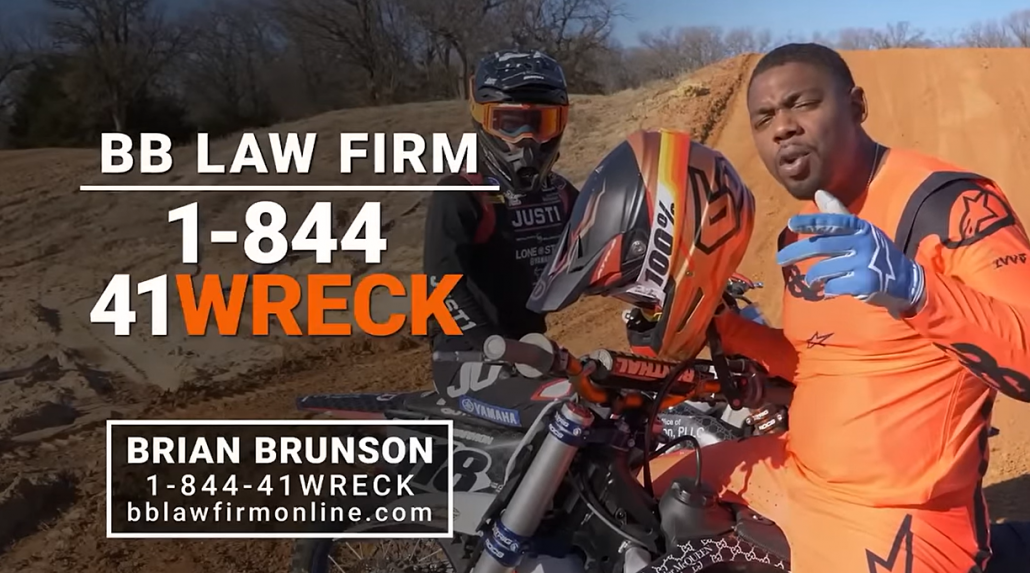
As the weather starts to warm up, you’ll notice many more motorcycle riders on the roads. It’s crucial to have regulations for vehicles on public streets to ensure safety and order. Motorcyclists must adhere to the same traffic laws as all other drivers, but Texas has its own unique laws regarding motorcycle riding. If you’re not familiar with these laws, you might encounter legal problems. Here are some important motorcycle laws in Texas that every rider needs to be aware of.
Do I need a motorcycle license?
In Texas, if you wish to operate a motorcycle on public roads, you must obtain a special license known as the ‘Class M License.’ To acquire this license, you first need to fulfill all the criteria for a standard driver’s license and then complete a safety course that has been approved by the Texas Department of Public Safety. After finishing the course, you must provide evidence of its completion to receive your Class M License. However, if you already possess a valid motorcycle license from a different state, you may be exempt from taking the safety course.
Is motorcycle insurance necessary?
Motorcyclists must carry liability insurance that provides coverage of at least $30,000 for each individual injured in an accident and $60,000 for multiple individuals harmed in the same incident. Furthermore, this insurance should also have property damage coverage of no less than $25,000.
What is the most current helmet law?
In Texas, the law requires that all motorcyclists under the age of 21 must wear a helmet while riding. If you are 21 or older, you are not obligated to wear one unless you fulfill specific conditions. These conditions consist of having completed a state-approved motorcycle safety course or possessing an insurance policy that covers medical costs resulting from motorcycle accidents.
TRANSP § 661.003. Offenses Relating to Not Wearing Protective Headgear
(a) A person commits an offense if the person:
(1) operates or rides as a passenger on a motorcycle on a public street or highway; and
(2) is not wearing protective headgear that meets safety standards adopted by the department.
(b) A person commits an offense if the person carries on a motorcycle on a public street or highway a passenger who is not wearing protective headgear that meets safety standards adopted by the department.
(c) It is an exception to the application of Subsection (a) or (b) that at the time the offense was committed, the person required to wear protective headgear was at least 21 years old and had successfully completed a motorcycle operator training and safety course under Chapter 662 or was covered by a health insurance plan providing the person with medical benefits for injuries incurred as a result of a collision while operating or riding on a motorcycle. A peace officer may not arrest a person or issue a citation to a person for a violation of Subsection (a) or (b) if the person required to wear protective headgear is at least 21 years of age and presents evidence sufficient to show that the person required to wear protective headgear has successfully completed a motorcycle operator training and safety course or is covered by a health insurance plan as described by this subsection.
Who can ride on my motorcycle with me?
Allowing friends and family to join you on your motorcycle can be enjoyable; however, it’s crucial to understand that it could also lead to legal problems. In Texas, there are particular regulations regarding who is permitted to be a passenger on a motorcycle. For example, children under the age of five are prohibited from riding on the bike itself, which is a key point every rider should remember to prevent any legal complications.
If You’ve Been Injured in a Motorcycle Accident, Contact Us Today
Named one of the “Best Car Accident Lawyers in Dallas” by Expertise.com, Brian Brunson is Dallas personal injury attorney who is dedicated to helping clients who have suffered a car, truck, or motorcycle injury through the negligent or wrongful conduct of other drivers. In addition, his professionalism is unmatched and the firms’ client reviews speak for themselves.
We proudly serve the Dallas-Fort Worth metroplex and surrounding areas, our office supports the legal needs of a wide variety of clients. Let the Law Office of Brian Brunson be your advocate in your time of need and help you put your life back together. If we can’t win or settle your case, you don’t pay a dime! We know it can be daunting to take that first step after you’ve been hurt. Contact Brian Brunson today via email or call us toll-free at 1-844-41-WRECK. We can help, when no one else will.

